Workplace
At Lanier Meyer McBride Blair LLP, we understand the devastating impact of sexual abuse in the workplace. As dedicated advocates for survivors, we're committed to fighting for justice, holding perpetrators and negligent employers accountable, and pushing for systemic changes to create safer work environments. This guide provides essential information for survivors, colleagues, and advocates ready to take a stand against workplace sexual abuse.


1. Understanding Workplace Sexual Abuse
Workplace sexual abuse can take many forms:
Sexual assault and rape
Unwanted touching or groping
Sexual coercion (quid pro quo harassment)
Persistent sexual advances or propositions
Creation of a hostile work environment through sexual comments or behaviors
Sharing of intimate images without consent
Digital harassment, including inappropriate messages or video calls
These abuses can occur in any workplace setting, from offices to factories, retail environments to remote work situations.
2. The Scope of the Problem
Workplace sexual abuse is a pervasive issue:
According to a 2018 survey by Stop Street Harassment, 81% of women and 43% of men had experienced some form of sexual harassment during their lifetime, with the workplace being one of the most common locations
An estimated 75% of workplace harassment incidents go unreported
About 16% of men have experienced some form of sexual harassment at work
Certain industries, such as hospitality, agriculture, and domestic work, see higher rates of sexual abuse
With the rise of remote work, digital forms of workplace harassment are increasing
3. The Impact on Survivors
Workplace sexual abuse can have severe, long-lasting effects:
Post-Traumatic Stress Disorder (PTSD) and other mental health issues
Physical health problems stemming from chronic stress
Career setbacks and economic losses, including missed promotions and reduced earning potential
Difficulty forming professional relationships
Loss of passion for one’s career or industry
Substance abuse as a coping mechanism
Increased absenteeism and reduced productivity
4. Impact on Organizations
Sexual harassment and abuse also significantly affect organizations:
Lower employee morale and higher turnover rates
Decreased productivity and toxic work environments
Substantial financial costs, including legal settlements and increased insurance premiums
Reputational damage leading to loss of customers and difficulty attracting new employees
5. Legal Rights and the Power of Action
As advocates for survivors of workplace sexual abuse, we fight to protect your rights:
The right to a safe work environment free from sexual harassment and abuse
The right to report abuse without fear of retaliation
The right to a prompt and thorough investigation of complaints
The right to be free from discrimination based on sex, including sexual orientation and gender identity
The right to reasonable accommodations following abuse
The right to seek compensation for damages resulting from abuse
6. Understanding the Legal Framework
Several key laws and concepts govern sexual abuse in the workplace:
Title VII of the Civil Rights Act of 1964: Prohibits sex-based discrimination, including sexual harassment
State and local anti-discrimination laws, which may provide additional protections
Occupational Safety and Health Act (OSHA): Requires employers to provide a safe work environment
Tort laws allowing for personal injury claims
Quid Pro Quo vs. Hostile Work Environment:
Quid Pro Quo: Job benefits contingent on submitting to sexual advances
Hostile Work Environment: Unwelcome conduct based on sex that creates an intimidating, hostile, or offensive work environment
Equal Employment Opportunity Commission (EEOC): Enforces laws against workplace discrimination and must be involved before pursuing a lawsuit under Title VII
State-specific laws, some of which extend the statute of limitations for filing sexual harassment claims
7. Employer Responsibilities
Employers have a legal obligation to:
Prevent sexual harassment and abuse in the workplace
Respond promptly and effectively to complaints
Protect employees from retaliation for reporting abuse
Provide training on sexual harassment prevention
Implement and enforce clear anti-harassment policies
8. Overcoming Challenges in Workplace Sexual Abuse Cases
Pursuing justice in these cases can present unique challenges:
Fear of retaliation or job loss (retaliation is the most common response to complaints, occurring in about 68% of cases filed with the EEOC)
Power imbalances between abusers and victims
Difficulty gathering evidence, especially in cases of long-term abuse
Statute of limitations issues
Emotional stress of reliving the abuse during legal proceedings
Underreporting due to fear, lack of trust in the process, or concerns about career impact
Our firm is experienced in addressing these challenges and building strong cases for our clients.
9. The Role of Human Resources
While Human Resources (HR) departments should be allies in preventing and addressing sexual abuse, they often prioritize protecting the company. It’s important to understand:
HR’s primary loyalty is to the company, not individual employees
Documentation of all interactions with HR is crucial
External legal counsel can provide unbiased advocacy for your interests
10. The Importance of Documentation
Documenting incidents of sexual abuse is crucial for building a strong case:
Keep a detailed journal of all incidents, including dates, times, and witnesses
Save all relevant emails, text messages, and other communications
Report incidents to HR or management in writing and keep copies
Seek medical attention if needed and keep records of all treatments
11. Supporting Survivors
We’re dedicated to connecting survivors with crucial support:
Mental health resources specialized in workplace trauma
Career counseling and job search assistance
Support groups for survivors of workplace abuse
Advocacy organizations fighting for safer work environments
12. The Value of Experienced Legal Counsel
An attorney experienced in workplace sexual abuse cases can provide:
Understanding of the complex interplay between employment law and sexual abuse claims
Strategies for navigating internal complaint procedures and external legal action
Advocacy for appropriate compensation and workplace accommodations
Guidance on protecting your career while seeking justice
13. Actions to Take
If you’re experiencing workplace sexual abuse:
Document everything meticulously
Consult with an attorney early in the process
Report to HR, but be aware of external avenues like state human rights commissions and the EEOC
Seek support from trusted colleagues and mental health professionals
Taking a Stand: The Power of Your Action
By taking action against workplace sexual abuse, you’re not just seeking personal justice – you’re helping to create safer work environments for all employees. Your courage can:
Hold perpetrators and negligent employers accountable
Force companies to implement stronger prevention and response measures
Raise awareness about the reality of workplace sexual abuse
Empower other survivors to come forward
Remember: You are not alone in this fight. We stand with you, ready to advocate fiercely on your behalf.

You Are Not Alone
Even if it happened a long time ago, we can often still find a way to help.
Reach out today for a confidential consultation. No judgment, no pressure,
just understanding and help.
* Your initial consultation is free and confidential.
Latest News & Updates

Media And Awards For Mark Lanier












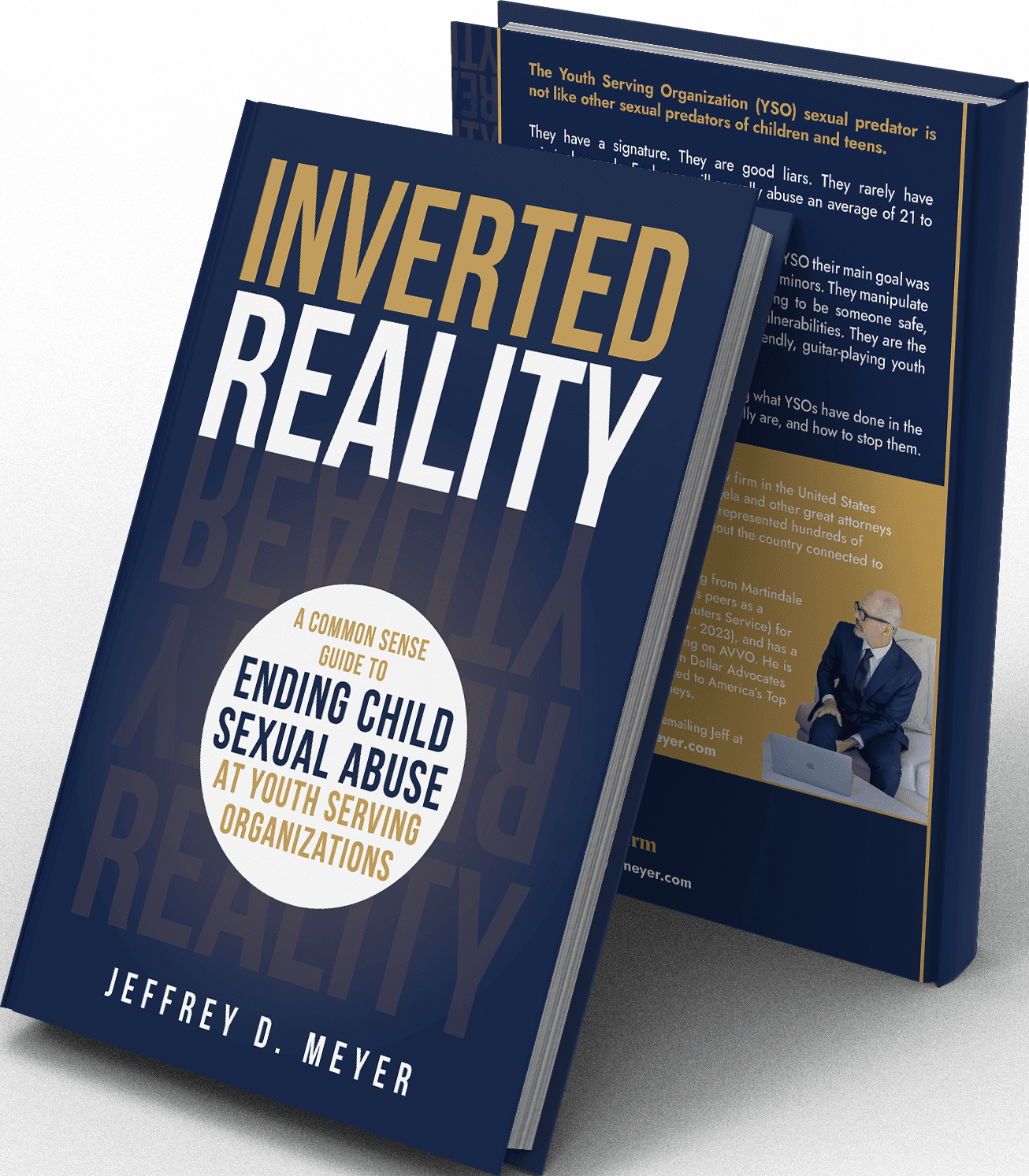
Inverted
Reality
By Jeffrey D. Meyer
A Revolutionary Guide To Protecting Children And Teens From Sexual Abuse At Schools, Religious Organizations, Camps, Sports Teams And Other Youth Serving Organizations. Written by one of our law partners.


You deserve a safe path that honors your dignity
and what you’ve lived through.
* Your initial consultation is free and confidential.